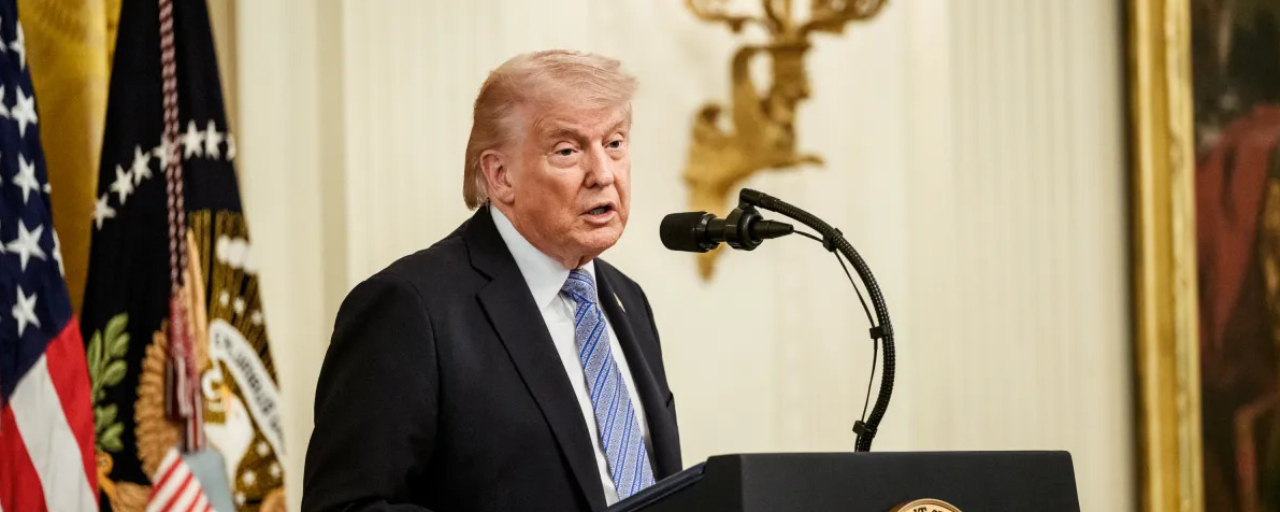
The United States is moving to impose a new round of tariffs on imports from roughly 60 trading partners, reigniting global trade tensions as President Donald Trump seeks to rebuild a tariff regime that was struck down by the Supreme Court earlier this year.
According to Bloomberg, the proposed measures stem from an investigation into goods suspected of being produced with forced labor. The Office of the United States Trade Representative (USTR) has recommended a baseline tariff of at least 10% on imports from countries including Canada, Mexico, the European Union, Taiwan, and the United Kingdom.
Meanwhile, higher duties of 12.5% would apply to imports from China, India, Japan, South Korea, Brazil, and Switzerland. U.S. officials said the lower tariff tier is aimed at economies that have already banned—or pledged to ban—forced-labor imports, while the higher rate targets countries that have not implemented comparable restrictions.
The proposed duties would be enacted under Section 301 of the Trade Act of 1974, a tool frequently used by Washington to address what it considers unfair trade practices. The measures will now enter a public comment period, with written submissions due by July 6 and public hearings scheduled to begin on July 7.
USTR Jamieson Greer defended the proposal, arguing that the United States “will no longer tolerate” disparities in how trading partners address forced labor concerns.
The new tariffs are expected to take effect around the same time a separate 10% global tariff implemented under Section 122 is set to expire in July, potentially maintaining pressure on international trade flows.
Notably, the proposal includes exemptions for a range of essential goods, including beef, tomatoes, bananas, coffee, and orange juice, as well as certain metals, fuels, and chemical products.
Despite the announcement, financial markets appeared largely unfazed. Global equities held onto gains, with the MSCI All Country World Index rising 0.1% to a fresh record high, signaling that investors remain confident in the broader economic outlook despite escalating trade policy uncertainty.
For global markets—including crypto investors—the renewed tariff push could become a key macroeconomic theme in the months ahead, as traders assess its potential impact on inflation, supply chains, and central bank policy.