
Bitcoin may be regaining some stability, but the market is still searching for the trigger that could ignite its next major rally.
After weeks of persistent outflows, US spot Bitcoin exchange-traded funds (ETFs) have finally returned to positive territory. The funds attracted $75.7 million in net inflows during the week ending July 17, extending their winning streak to two consecutive weeks. Combined with the previous week’s $197.4 million, ETF inflows have surpassed $200 million so far in July.
While the improvement suggests investor confidence is gradually recovering, analysts believe the figures remain too modest to change the market’s broader direction. Earlier this year, Bitcoin ETFs experienced nearly $4.5 billion in net outflows during June alone, leaving total ETF flows for 2026 firmly in negative territory.
That imbalance highlights the market’s biggest challenge: buying interest is returning, but not at a scale capable of reversing months of institutional selling.
Bitcoin itself has rebounded toward the $64,000 level after June’s sharp correction, yet technical analysts remain unconvinced that a new bull trend has begun. According to market observers, the cryptocurrency must decisively break above the $65,000–$65,500 resistance zone before investors can confidently call the recent recovery a genuine trend reversal.
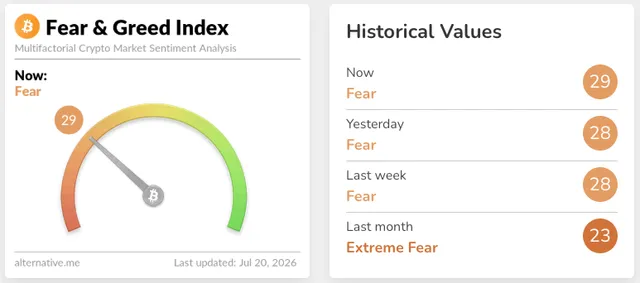
The cautious outlook extends beyond technical analysis. Citigroup recently slashed its 12-month forecast for Bitcoin ETF inflows from $10 billion to zero, citing weaker-than-expected institutional demand. The bank also reduced its one-year Bitcoin price target to $82,000, reflecting growing uncertainty over the pace of capital returning to digital assets.
Despite the downgrade, analysts argue that Bitcoin’s long-term fundamentals remain largely intact. Regulatory clarity continues to improve in several major markets, institutional investment products are expanding, and global adoption has not stopped. What the market lacks is a single event powerful enough to convince large investors to increase their exposure aggressively.
Bloomberg ETF analyst Eric Balchunas believes the current cycle resembles the early development of gold ETFs. Initial enthusiasm was followed by prolonged periods of consolidation before long-term growth resumed. From that perspective, today’s weaker inflows may simply represent another stage in Bitcoin’s maturation rather than a sign of fading investor interest.
For now, ETF data suggests the worst selling pressure may have passed, but the next phase of the market will likely depend on whether fresh institutional capital returns in meaningful volumes. Until then, Bitcoin’s recovery may continue to progress gradually instead of accelerating into a full-scale bull market.